Rust, TF2 and Dota 2 Item Market Differences
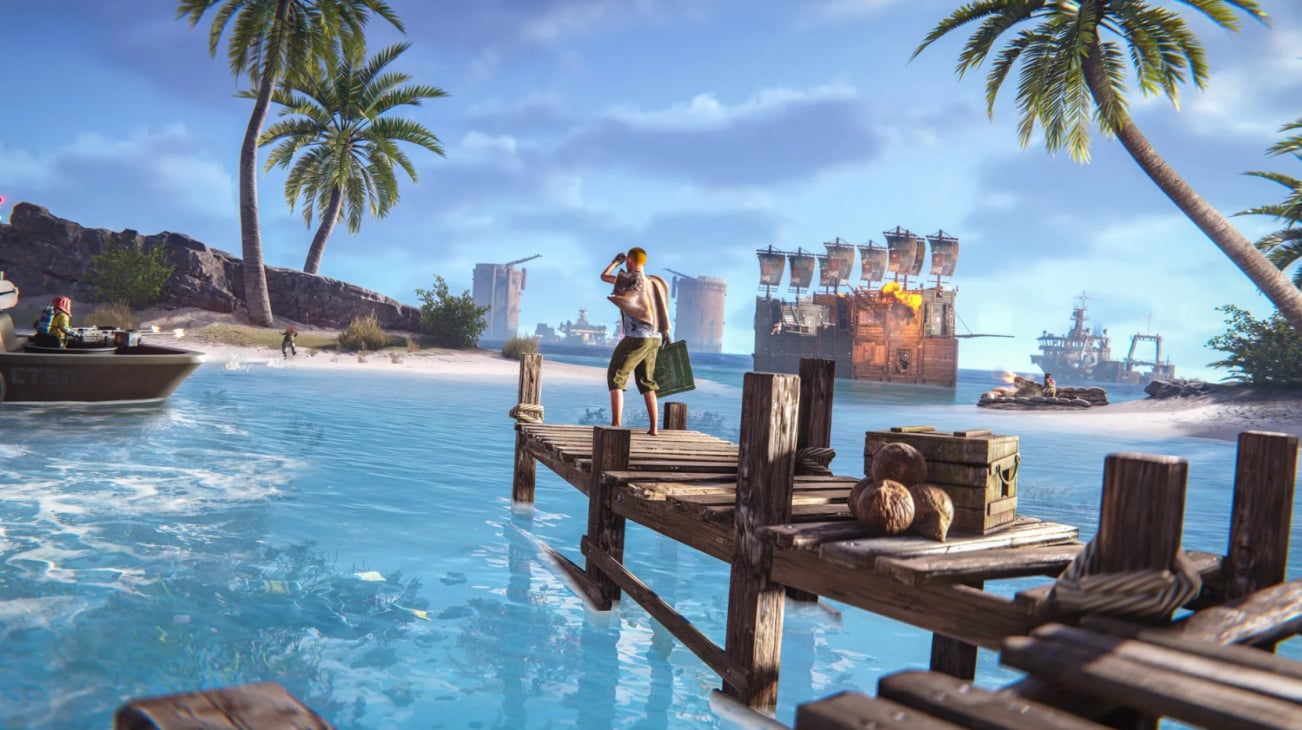
Rust's item economy centers on cosmetic skins for clothing, weapons, and deployable objects, with a structure that differs notably from CS2's case-based rarity system. Many Rust skins are purchased directly from the game's store or earned through play, and their market value depends on factors such as discontinued availability and community demand rather than float values or pattern seeds . The Steam Community Market serves as a primary venue for Rust trades, but as with all Steam market transactions, proceeds remain locked to the Steam Wallet and cannot be withdrawn as real funds . This limitation pushes some sellers toward third-party platforms where cash-out is possible, though the volume of Rust trading on such venues is generally smaller than for CS2.
Team Fortress 2 maintains one of the longest-running cosmetic economies in gaming, with a deep and idiosyncratic item classification system. TF2 items include hats, cosmetics, weapons, and tools, with quality tags such as Unique, Strange, Unusual, Vintage, and Genuine that create distinct market segments . The Steam Community Market lists many TF2 items, and the platform applies its standard fee structure to sales . Certain items are retired or limited quantity, meaning they can no longer be obtained through normal gameplay and exist only through trades or existing listings . This creates a collector dynamic where availability, rather than new supply, drives pricing for older items. Third-party trading for TF2 exists but is less prominent than for CS2.
Dota 2's item economy has contracted significantly compared to its earlier years, when a vibrant trading scene existed around hero cosmetics, couriers, and immortals. Changes to trade restrictions and the game's monetization model reduced the volume of tradable items and the liquidity of the secondary market. The Steam Community Market remains the primary venue for Dota 2 items that are still tradable, but the range of available items and the frequency of transactions are narrower than in CS2 or TF2 . Third-party marketplace support for Dota 2 varies by platform; Skinport lists Dota 2 among its supported titles, though CS2 dominates its inventory . Users interested in Dota 2 items should verify current tradability before assuming that historical market patterns still apply.
Demand patterns differ substantially across these three games, and understanding the player base matters as much as understanding the items. CS2's market benefits from a large, active player base and a case-opening system that continuously introduces new items with variable attributes. Rust's cosmetics appeal to a survival-game audience with different aesthetic preferences and a smaller trading population. TF2's economy persists largely through a dedicated community that values unusual effects and historical item qualities. Dota 2's trading activity has diminished alongside changes to its item ecosystem. A seller who understands CS2 float premiums may find that none of that knowledge transfers to Rust, where condition-based pricing plays little or no role.
Marketplace selection should account for these differences. Skinport's supported titles include Rust, TF2, and Dota 2 alongside CS2, but the depth of inventory and transaction volume for each varies considerably . A platform that offers robust CS2 trading may have sparse listings for a less-traded title, and users should not assume uniform liquidity across categories. The Steam Community Market remains available for all three games but carries the same withdrawal limitation regardless of title . For any of these games, checking actual listing availability and recent transaction data is more informative than assuming that a platform's general reputation applies equally to every supported game.
The practical takeaway is that "game item trading" is not a single market but a collection of related markets with distinct mechanics and participant bases. Rust items do not have float values, TF2 items carry quality tags that CS2 lacks, and Dota 2's tradable inventory has contracted in ways that CS2 users may not anticipate. Users moving between games should reset their assumptions and observe each market's specific listing patterns, price ranges, and transaction frequency. Cross-game comparisons are useful for understanding structural differences, but they do not justify transferring pricing intuition from one title to another without verification.