Zuneth Arlo is an independent blog covering the buying and selling of in-game items across major marketplaces. We explain how listing platforms work, how prices form, and what users should check before committing to a trade. Our materials focus on practical market literacy rather than promotion.
Independent marketplaces for game items operate as third-party venues where users list and purchase digital goods outside the game's native ecosystem. Readers searching for information about Skinport may also encounter queries such as "skin port" and "skinporty". This independent guide discusses the actual marketplace, its trading model, and the wider item economy. These platforms typically hold items in bot inventories after a seller deposits them, allowing buyers to receive purchases without waiting for a peer-to-peer trade window. Sellers usually pay a commission on completed sales, while buyers may face no additional platform fee at checkout. Payout options vary by venue and often require identity verification before funds can be withdrawn. The core function is matching supply with demand while handling delivery and payment processing.
The Steam Community Market differs from independent venues in several structural ways. It operates entirely within Steam's wallet system, meaning proceeds cannot be withdrawn as cash and must be spent on the platform. Sale limits and price caps apply, and the market does not support direct cash-out to external payment methods. Independent marketplaces like skinport and similar venues introduce real-money transactions with withdrawal options, which changes the risk profile for both buyers and sellers. On custodial marketplaces, the deposit-and-hold model means items sit in platform inventory before sale, while community discussions about Skinport often focus on how this differs from direct peer-to-peer trading. This distinction matters because it determines what users can do with proceeds and what protections apply when something goes wrong.

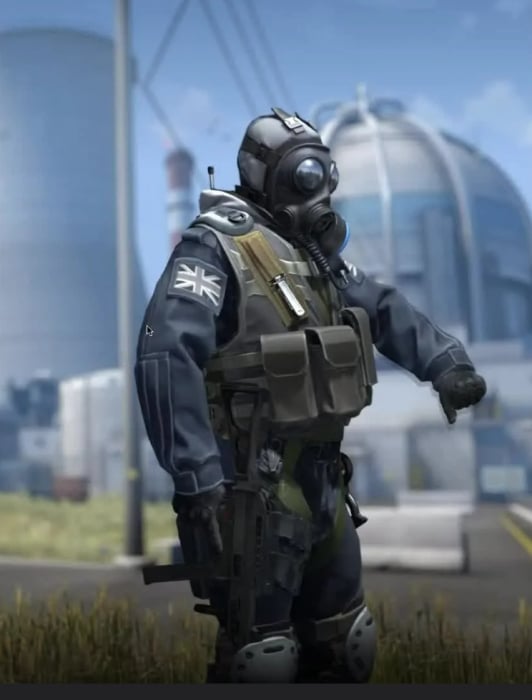
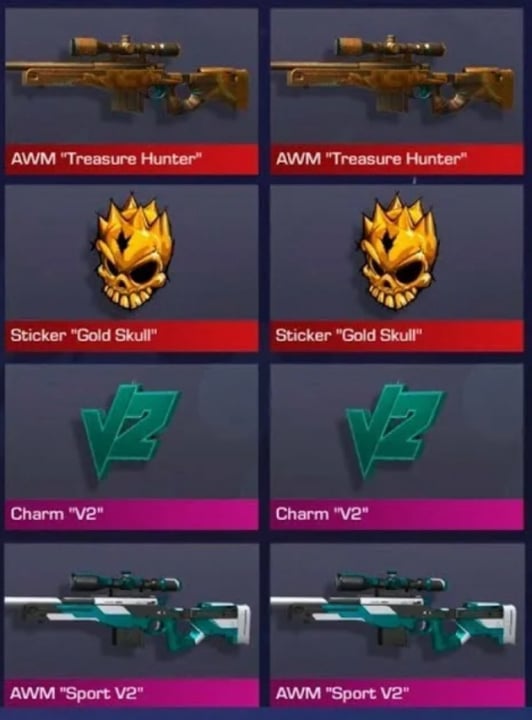
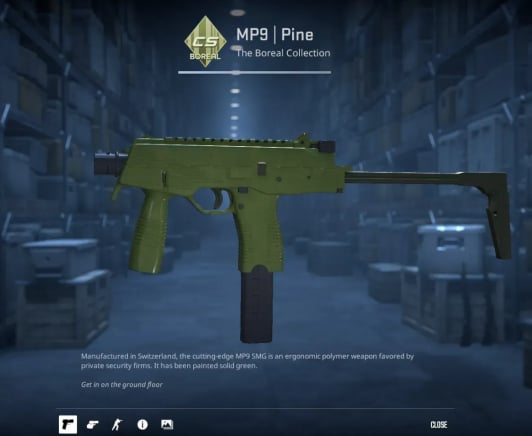
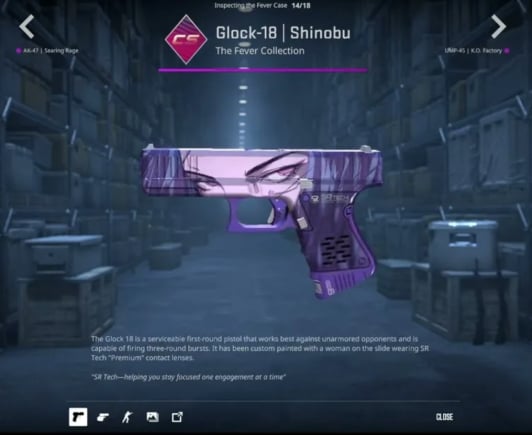
Item categories vary by game, and each carries different liquidity and pricing behavior. In CS2, the main categories include weapon skins, knives, gloves, stickers, and agents, with wear ratings and pattern variations creating significant price dispersion within a single item type. Rust features clothing, weapon skins, and deployable items, often with a narrower collector base than CS2. TF2 maintains a deep economy of hats, cosmetics, and weapons with unique quality tags. Dota 2 items include hero cosmetics, couriers, and immortals, though trading activity has shifted considerably in recent years. Understanding these categories helps users interpret what a listing actually represents.
Listings and pricing on independent venues typically follow a supply-and-demand model shaped by several observable factors. Rarity from drop rates sets a baseline, while discontinued cases or collections freeze supply and tend to push prices upward over time. Wear values and rare patterns can make otherwise identical items worth vastly different amounts. On platforms such as Skinport, sellers set asking prices and buyers can browse available inventory, with the platform taking a commission when a sale completes. Price charts and historical data on these venues help users assess whether a listing reflects typical market conditions or an outlier, and listing patterns on Skinport often reveal how sellers adjust prices in response to competing offers. Comparing skinport data with other venues gives a clearer picture of where a given item sits in the broader market.
Skinport occupies a notable position among independent marketplaces, particularly for European users seeking cash payouts rather than store credit. The platform has operated since 2018, charges an 8% seller fee on standard public listings, and does not add a buyer fee at checkout. Its model involves holding deposited items in bot inventories, which means sales are not exposed to trade reversal after delivery. Payouts go through bank transfer or SEPA and require identity verification, a common practice among venues that handle real-money withdrawals. Users interested in this platform can find a dedicated overview on our site covering its fee structure and operational details.
Other venues serve different regions and preferences, and comparison is essential rather than optional. Some platforms emphasize crypto payouts, others focus on peer-to-peer trading with direct user interaction, and some operate primarily within specific geographic markets. The Steam Community Market remains a reference point but lacks cash withdrawal, which limits its role for sellers seeking external funds. Reading about Skinport's trading model alongside other venues helps users understand that no single platform fits every use case. Comparing skinport with these alternatives clarifies why fee structures, payout methods, and item availability differ so widely across the market. A Skinport listing may look identical to one on another venue at first glance, but the underlying delivery and withdrawal terms are what actually separate the platforms.
Safety on independent marketplaces depends less on the platform's reputation alone and more on user behavior and verification habits. The most common risk is off-platform trading, where a buyer or seller is persuaded to complete a transaction through direct messages or unofficial links. These arrangements remove escrow and platform protections entirely, and recovery is rarely possible once an item or payment has moved. Phishing links disguised as trade verification pages remain a persistent threat, and any external login prompt should be treated as suspect. Using the official domain of a venue and enabling Steam Mobile Authenticator are baseline precautions.
On skinport and comparable venues, the seven-day trade hold imposed by Steam affects how quickly deposited items become available for sale. Because the platform holds items in its own inventory, this lock period passes before the item reaches a buyer, which reduces certain types of trade reversal risk. However, identity verification before cash-out and regional restrictions are practical hurdles that users should understand in advance. Reading independent guides and user reports can reveal patterns of complaints or friction points, but no platform is free of operational issues. The sensible approach is to start with small transactions on a marketplace, verify every trade offer manually, and never share account credentials or confirmation codes. Treating every skinport login as a potential phishing checkpoint is not paranoia — it is the baseline expectation for anyone trading items with real-world value.
Skinport Marketplace Profile: A Closer Look
This profile examines Skinport's actual functionality as a third-party marketplace for game items, covering supported titles, transaction mechanics, and operational limits. It focuses on verifiable platform features rather than promotional claims or invented ratings.
Steam Marketplaces Compared: Skinport and Alternatives
This comparison examines how Skinport, Steam Community Market, and selected third-party venues differ in sale mechanics, item categories, and withdrawal options. It explains structural distinctions without asserting that any single platform is universally superior.
How Skin Prices and Listings Work on Skinport
This article explains the factors that shape prices for game items, including rarity, wear, pattern variation, and listing dynamics. It distinguishes between asking prices and actual sale prices to clarify how market value emerges.
CS2 Skins and Skinport Marketplace Basics
This educational overview covers the core categories of CS2 cosmetic items and the attributes that affect their value. It explains how third-party marketplaces handle CS2 transactions and what users should understand before buying or selling.
Rust, TF2 and Dota 2 Item Market Differences
This comparative piece examines the distinct trading economies of Rust, Team Fortress 2, and Dota 2, explaining how item types and demand patterns differ across these titles. It highlights why approaches that work in one game may not transfer directly to another.
Steam Trading and Skinport Marketplace Safety
This safety-focused article covers account protection, phishing recognition, and transaction verification practices for Steam users. It emphasizes behavioral precautions rather than platform-specific guarantees.
This website is an independent informational resource about Steam item marketplaces, virtual item trading, pricing, and market trends. We are not affiliated with, endorsed by, or officially connected to Skinport, Valve Corporation, Steam, or any other marketplaces discussed on this website. All trademarks and brand names belong to their respective owners.